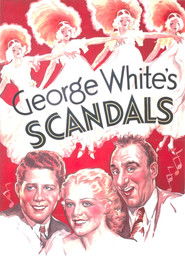
Proof that it's Pre-Code: Broad ethnic stereotyping abounds, particularly Jewish and African-American; Gratuitous scanties are prolific backstage; The film's production numbers feature skin galore, ogling men, a Caucasian suitor trying to seduce a black barmaid, as well as the kind of risqué lyrics that made George White famous ("Oh you nasty man, taking your love on the easy plan"); Happy McGillicuddy, sans pants: "Some day you may catch me with my pants on!" Patsy: "That would be a novelty"; Stew grabs reading material before going into the bathroom; A woman produces $3,000 from her garter to pay the landlord. When her father asks her if she's "been good," she chortles, "To get $3,000 in Paduca, you gotta be good!"; When told by Patsy to "put that in your pipe and smoke it," Stew checks her hind quarters and replies "I guess I'll have to get a bigger pipe"; "Cabin in the Cotton" is built on grotesque racist stereotypes, including Jimmy Durante in blackface; A bevy of underage children portray shimmying adult showgirls, one of them enacting a fan dance in the nude, reprising lewd lyrics sing earlier by Alice Faye; The lyrics to "Six Women" detail a series of promiscuous women who abandoned Stew, one of them "a 200-pound woman, the kind the Greeks prefer," and the last of them an out-and-out prostitute; The character of Barbara is revealed to have slept with every man who encounters her backstage; Happy infers a homosexual liaison when he spies George White coaching Jimmy on how to propose marriage to a woman; Three house husbands with crying (and flatulent) babies bemoan the fact that "we ain't got what they're crying for" (breast milk), while celebrating that they can use the bathtub again since they no longer need it to make gin; Patsy calls Happy a gigolo. His response: "You're not the first one to pay me that compliment"; Miss Lee: "I wonder what they'll do when they find out they're really married." George: "Heh. What do you think?"
Scritto da il
05-03-2025 alle ore 08:48
Immagini
Nessun dato in archivio
Consiglia
Voto
Nessun dato in archivio
Commenti
Nessun dato in archivio
Nessun dato in archivio